
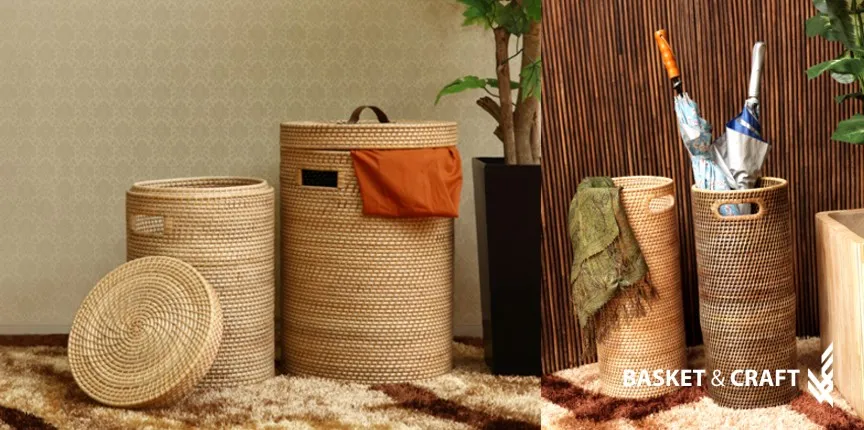
Baskets are among the oldest functional objects created by humans, yet they remain deeply relevant in modern living. From simple storage solutions to decorative accents and lifestyle statements, baskets have evolved far beyond their traditional role. Today, they reflect craftsmanship, sustainability, interior design trends, and even cultural identity. This article explores baskets in detail—covering their types, materials, weaving techniques, shapes, and emerging trends for 2025, along with informed predictions for 2026—presented in a way that is both insightful and enjoyable to read.
Understanding Baskets: More Than Just Containers
At their core, baskets are structured containers made by interlacing flexible materials. Historically, they were essential for harvesting, transporting goods, and daily household tasks. Over time, baskets have adapted to changing lifestyles, becoming integral elements in home décor, retail display, hospitality design, and children’s spaces.
In contemporary interiors, baskets represent warmth and texture. They soften modern spaces, add a natural aesthetic, and support organized living. Their appeal lies in their versatility—baskets can be functional, decorative, minimalist, rustic, or artistic, depending on design choices.
Types of Baskets Based on Function
Baskets can be categorized according to how they are used. Each functional category has distinct design characteristics that influence size, durability, and weaving density.
Storage Baskets
Storage baskets are designed to hold everyday items such as blankets, toys, laundry, books, or pantry goods. These baskets prioritize strength and capacity while maintaining visual appeal. In modern homes, storage baskets often replace plastic bins because they offer a more organic and elegant look.
Decorative Baskets
Decorative baskets focus more on aesthetics than heavy-duty use. They are often used as wall décor, table centerpieces, or planters. These baskets may feature intricate weaving, unique shapes, or mixed materials, making them statement pieces in interior styling.
Utility and Market Baskets
Utility baskets are traditionally used for shopping, harvesting, or carrying goods. While still functional, modern interpretations of market baskets often blend traditional shapes with contemporary handles, colors, or finishes, making them suitable for both use and display.
Kids and Nursery Baskets
In children’s rooms, baskets serve as safe, lightweight storage solutions. Soft edges, natural materials, and playful shapes are essential. These baskets often align with child-friendly interior themes while maintaining durability.
basket-materials-natural-sustainable-and-evolving" class="wp-block-heading">Basket Materials: Natural, Sustainable, and Evolving
Material choice defines a basket’s character, durability, and environmental impact. In recent years, natural and renewable materials have become increasingly dominant.
Rattan
Rattan is one of the most popular basket materials due to its flexibility, strength, and timeless appearance. It allows artisans to create smooth curves and detailed patterns. Rattan baskets work well in both classic and contemporary interiors, making them highly versatile.
Seagrass
Seagrass baskets are valued for their soft texture and subtle color variations. They are often tightly woven and ideal for lightweight storage. Seagrass offers a clean, coastal feel that works beautifully in relaxed living spaces.
Bamboo
Bamboo baskets are known for their rigidity and clean structure. Bamboo provides a more architectural look and is often used for structured baskets with defined edges. Its fast-growing nature also makes it a sustainable choice.
Water Hyacinth
Water hyacinth baskets have a thicker, chunkier texture. They add visual weight and warmth to interiors. The material is harvested from waterways, making it an eco-conscious option that also supports environmental balance.
Cotton Rope and Fabric Blends
Modern baskets increasingly incorporate cotton rope or textile elements. These materials are soft, flexible, and suitable for homes with children. Fabric-based baskets often emphasize comfort and casual aesthetics.
basket" class="wp-block-heading">Weaving Techniques: The Art Behind Every Basket
The weaving method determines not only how a basket looks but also how it performs over time. Skilled craftsmanship is essential, especially for handmade baskets.
Plain Weave
This is the simplest and most common technique, involving an over-and-under pattern. Plain weave baskets are strong, balanced, and suitable for everyday use.
Twill Weave
Twill weaving creates diagonal patterns that add visual interest and flexibility. This technique is often used for baskets that need to accommodate movement or weight without losing shape.
Coiled Weave
Coiled baskets are formed by stitching fibers in a spiral. This method allows for artistic expression and often results in sculptural pieces with unique textures.
Open Weave
Open weave baskets feature visible gaps between fibers. These are lighter in appearance and often used decoratively or for items that require ventilation, such as produce or textiles.
Basket Shapes and Forms
Shape plays a crucial role in both function and aesthetics. Modern baskets are designed to integrate seamlessly into living spaces.
Round baskets create a soft, organic feel and are commonly used for blankets, plants, or laundry. Rectangular and square baskets are ideal for shelving and cabinetry, offering a structured and efficient storage solution. Tall baskets emphasize vertical space, while shallow baskets are perfect for tabletop organization.
Lidded baskets provide concealed storage, contributing to a clutter-free environment. Handled baskets enhance portability and are often used for multipurpose living areas.
Basket Trends in 2025: What’s Defining the Market Now
In 2025, baskets are no longer viewed as simple accessories. They are design elements that reflect lifestyle values and aesthetic preferences.
Sustainability remains at the forefront. Consumers are increasingly drawn to baskets made from renewable, biodegradable materials. Handcrafted quality is highly valued, as buyers seek authenticity and artisanal stories behind each piece.
Neutral and earthy color palettes dominate, with warm browns, soft beiges, and muted natural tones. These colors complement modern minimalist interiors while adding warmth and texture.
Multifunctionality is another defining trend. Baskets are designed to adapt—serving as storage, décor, and sometimes furniture accents. Designers are also experimenting with mixed materials, combining natural fibers with subtle metal frames or fabric linings.
Looking Ahead: Potential Basket Trends for 2026
As we move toward 2026, basket design is expected to continue evolving in response to lifestyle changes and global design movements.
Customization is likely to grow, with consumers seeking baskets tailored to specific spaces or functions. Modular basket systems may become more popular, allowing users to combine different sizes and shapes as their needs change.
We may also see increased innovation in finishes and treatments, improving durability while maintaining natural aesthetics. Soft color accents—such as muted greens, clay tones, or gentle blues—are expected to appear more frequently, adding personality without overpowering interiors.
Another potential trend is the deeper integration of baskets into furniture and built-in storage solutions. Rather than standalone pieces, baskets may become components of shelving systems, cabinets, and children’s furniture designs.
Why Baskets Continue to Matter
Baskets endure because they strike a balance between beauty and practicality. They bring nature indoors, support organized living, and connect modern spaces with traditional craftsmanship. As design trends evolve, baskets adapt while maintaining their essential purpose.
Whether used for storage, decoration, or lifestyle enhancement, baskets remain timeless objects that grow more relevant with each generation. Their future lies in sustainability, craftsmanship, and thoughtful design—making them a lasting presence in homes around the world.

 English
 Arabic
 Chinese (Simplified)
 Dutch
Dutch French
 German
 Italian
 Portuguese
 Russian
 Spanish
 Turkish